A Dermatologist's Science-Backed Guide to Treating Acne: Best Ingredients + Routine
|
Time to read 7 min

|
Time to read 7 min
Let's be real: dealing with acne is frustrating. You've probably tried countless over-the-counter products, scrolled through endless multi-step routines on social media, and maybe even felt like giving up when a "miracle" fix left your skin red and irritated.
Here's the good news. Dermatologist Dr. Ken Alanen and Ildikó Juhász, founder of Revoderm, have spent decades treating acne side by side, and we know what actually works. If you're tired of trial and error and want solutions backed by clinical science, you're in the right place.
At Derm.ca, we've been treating acne and acne scarring in Calgary since 2008, helping thousands of patients get to clear, healthy skin alongside our dermatologist-developed Revoderm skincare line.
Acne isn't caused by "dirty" skin or forgetting to wash your face. It's a complex inflammatory skin condition driven by four connected factors:
When dermatologists treat acne, we target these root causes, not just the blemish on the surface. Because everyone's skin barrier, microbiome, genetics, hormones, oil production and inflammation triggers are different, a one-size-fits-all routine rarely works.
Skip the viral trends. Dermatologists rely on a core group of ingredients because decades of research show they work:
One of the biggest mistakes people with acne make is assuming "hydrating" and "moisturizing" mean the same thing. Hydration adds water to the skin. Moisturizing uses heavier lipids and occlusives to trap moisture on the surface, which, for some types of acne, can smother pores and lead to more congestion.
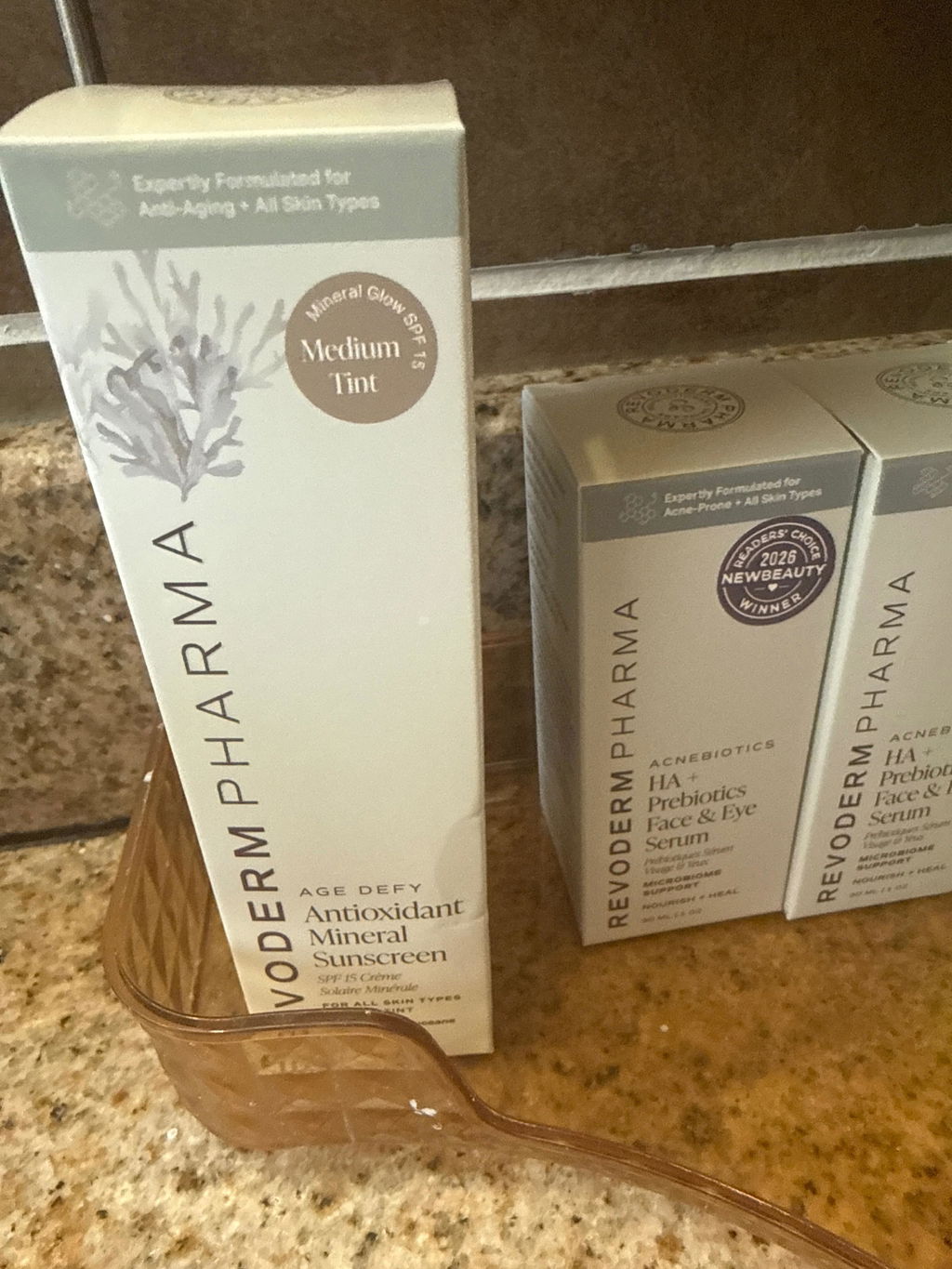
"One of the most important shifts we teach our patients is that a moisturizer does not equal hydration. That's why I often take my acne patients off traditional moisturizers altogether and switch them to pure, lightweight hydration with our HA + Prebiotics Serum, and they notice a huge difference almost immediately. To finish their morning routine, I pair it with our dry-textured mineral sunscreen with Venuceane™ antioxidants, which protects and calms the skin without adding heavy oils."
— Ildikó Juhász, co-founder of Derm.ca and Revoderm

The secret to clearer skin isn't one aggressive spot treatment. It's a consistent, balanced routine that pairs proven actives with barrier and microbiome support.
Start by clearing excess oil and debris from your pores without leaving your skin tight or flaky.
Regular exfoliation clears the dead skin cells that trap oil inside pores, for clinic-style resurfacing at home.


After cleansing, use targeted treatments to help kill bacteria, absorb fluid and help blemishes heal faster.


Choose the level of water and lipid support your skin actually needs:
Acne treatments make skin more sensitive to the sun, and UV exposure darkens post-acne marks.
Want the core steps in one box? The Anti-Acne Routine puts them together.
Clinical tip from Dr. Ken Alanen: consistency beats complexity. Your skin takes about 28 to 40 days to renew itself, so stick with a good routine for at least 6 to 8 weeks before judging your results.
Medical-grade skincare lays the foundation, but working with a dermatologist gives you a personalized plan. A dermatologist can identify your type of acne (comedonal, inflammatory, hormonal or nodulocystic), help prevent permanent scarring early, and safely combine your skincare with prescription creams or oral medications.
Developed by dermatologists, Revoderm bridges the gap between in-clinic treatment and effective at-home care, with the right concentrations, microbiome support and barrier protection your skin needs.
Ready to take the guesswork out of your skincare? Clearer skin starts with understanding what drives your breakouts, choosing proven formulas and staying consistent. Book an acne consult at Derm.ca or shop the Revoderm acne collection to build a routine for your skin.

Ildiko Juhasz + Dr. Ken Alanen, Revoderm Founders
Revoderm Pharma is a leading skincare brand dedicated to providing revolutionary, dermatologist-developed skincare solutions. Our products are meticulously crafted to offer maximum protection and skin benefits, ensuring that your skin remains healthy, glowing, and acne-free.
This article is for general information and is not a substitute for personalized medical advice. If you have concerns about your skin or a product you're using, speak with your dermatologist.
Not always, but many people with oily or acne-prone skin do better swapping a heavy cream for lightweight hydration. Hydration adds water to the skin, while heavier moisturizers trap oil and can add to congestion. Ildikó often switches acne patients to HA + Prebiotics Serum, then adds a light, non-greasy moisturizer like Profound Light only if the skin feels dry or tight.
Yes, they work well as a team when you introduce them slowly. A common approach is a salicylic acid cleanser and toner to keep pores clear, plus benzoyl peroxide only on active blemishes. If you notice dryness or peeling, cut back to every other day and keep your skin hydrated.
Give a new routine at least 6 to 8 weeks. Your skin takes about 28 to 40 days to renew itself, and some people see a few breakouts surface in the first weeks as clogged pores clear. Stay consistent before judging your results.
Yes. Many acne ingredients make skin more sensitive to the sun, and UV exposure darkens the marks breakouts leave behind. A mineral sunscreen with a dry, breathable finish, like our Zinc Oxide Mineral Sunscreen with Antioxidants, protects without adding heavy oils.
Book a visit if your acne is painful, deep or cystic, leaves scars or dark marks, or hasn't improved after a few months of consistent at-home care. Our team at Derm.ca can identify your type of acne and combine prescription treatment with the right skincare. Book an acne consult.
Related product

The Anti-Acne Routine
£322.00
£362.00

Sign up to get expert skin tips and be the first to know about new product launches and more.